
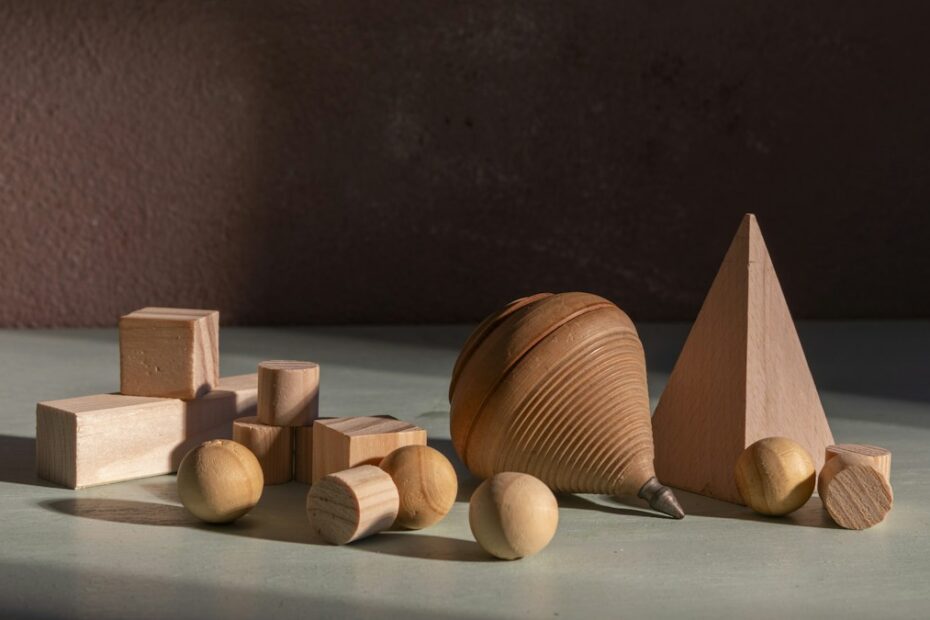
Why Screen-Free Tactile Play Accelerates Computational Thinking in Early Childhood
Neuroscience of hands-on learning: motor cortex integration, working memory capacity, and why physical manipulatives outperform digital coding apps.
Neuroscience of hands-on learning: motor cortex integration, working memory capacity, and why physical manipulatives outperform digital coding apps.
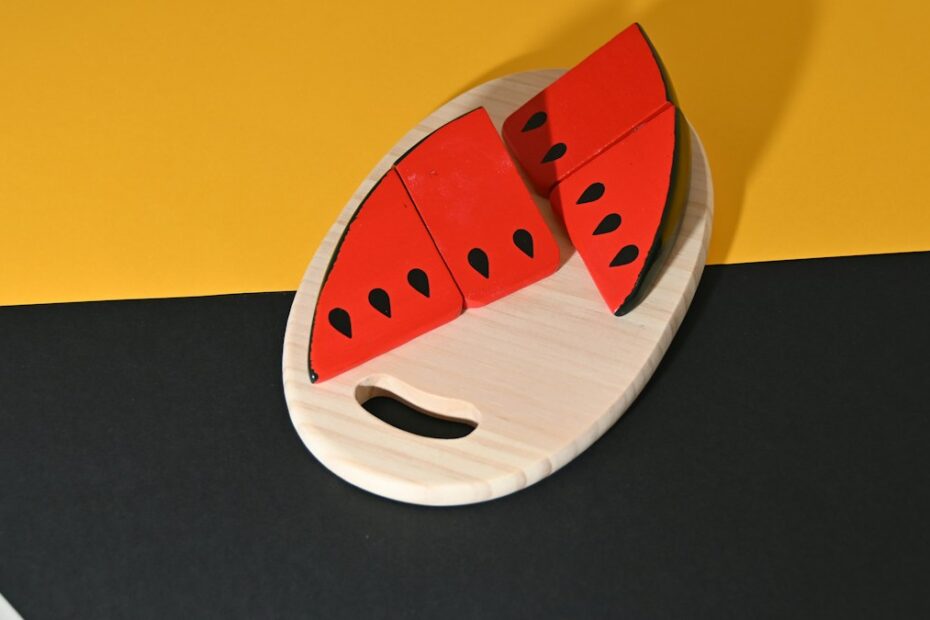
Cognitive deduction games: evaluating visual clue synthesis, transparent overlay layering, and boolean constraint solving for young minds.
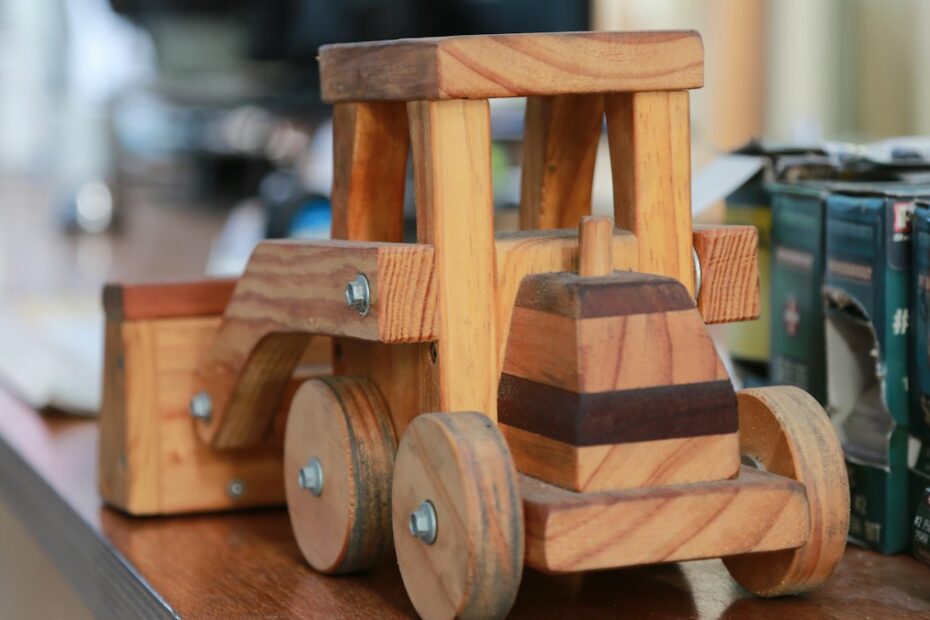
Curriculum curation blueprints: designing organized open toy shelves, limiting choices to foster deep concentration, and scheduling weekly cognitive rotations.

Mathematical tactile arrays: evaluating wooden pegboards and colored elastic bands for exploring cartesian coordinates, area, and polygon symmetry.
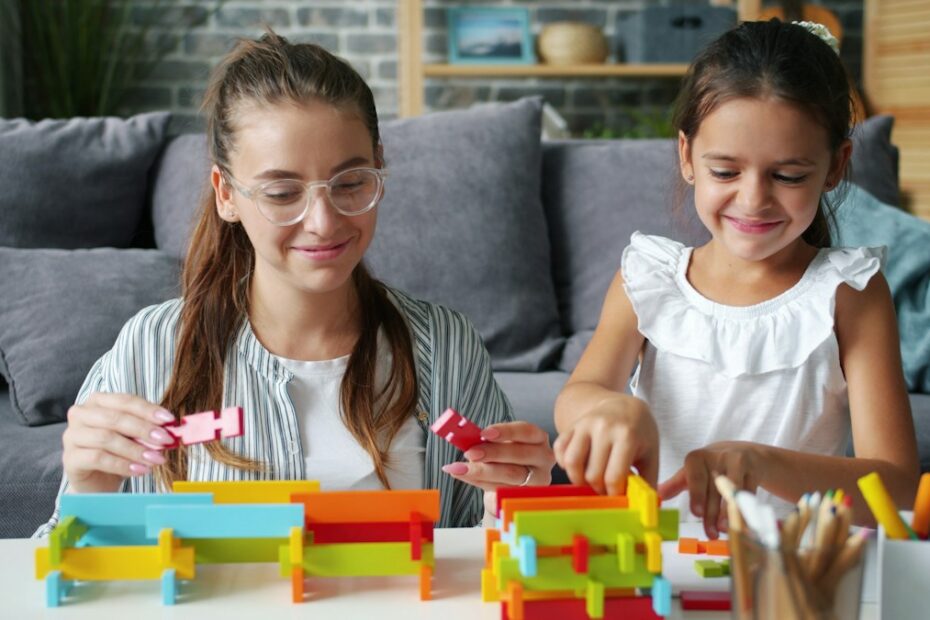
Unplugged computer science: teaching sorting algorithms, computational complexity (Big O intuition), and comparisons using a standard deck of cards.