

Cause-and-Effect Sequencing Games That Build Algorithmic Problem Solving
Board games and physical manipulatives: Teaching conditional logic (If/Then), sequencing, and deductive reasoning.
Board games and physical manipulatives: Teaching conditional logic (If/Then), sequencing, and deductive reasoning.
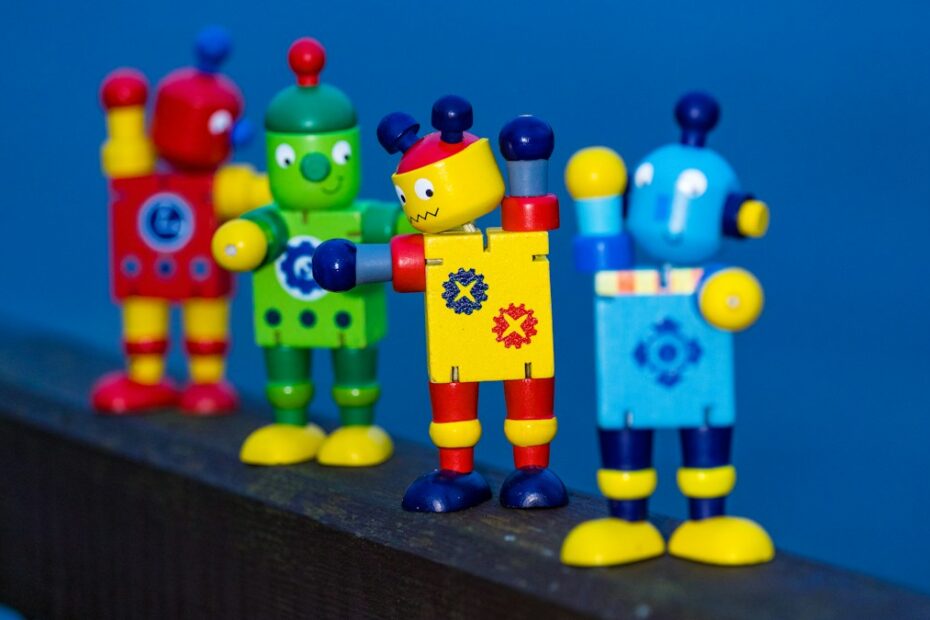
Geometric Montessori pedagogy: evaluating constructive triangle boxes and classic wooden tangrams for developing spatial transformation logic.
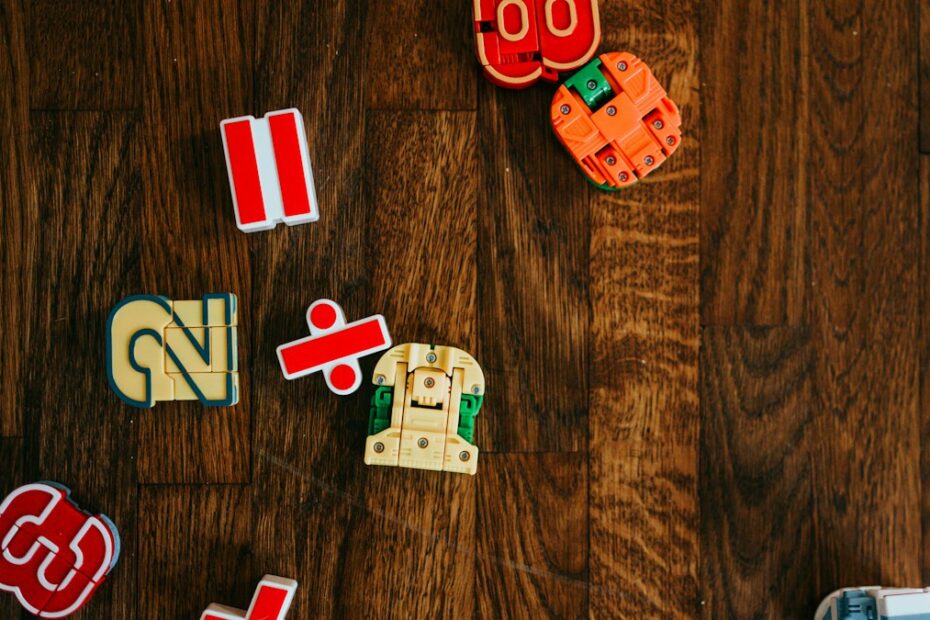
Pencil-and-paper algorithm blueprints: teaching algorithmic efficiency, repeat loops, and conditional branching logic on physical 5×5 grid maps.
Tactile computer science curriculum: teaching ASCII character encoding, bit depth, and binary representation through colored wooden bead jewelry.
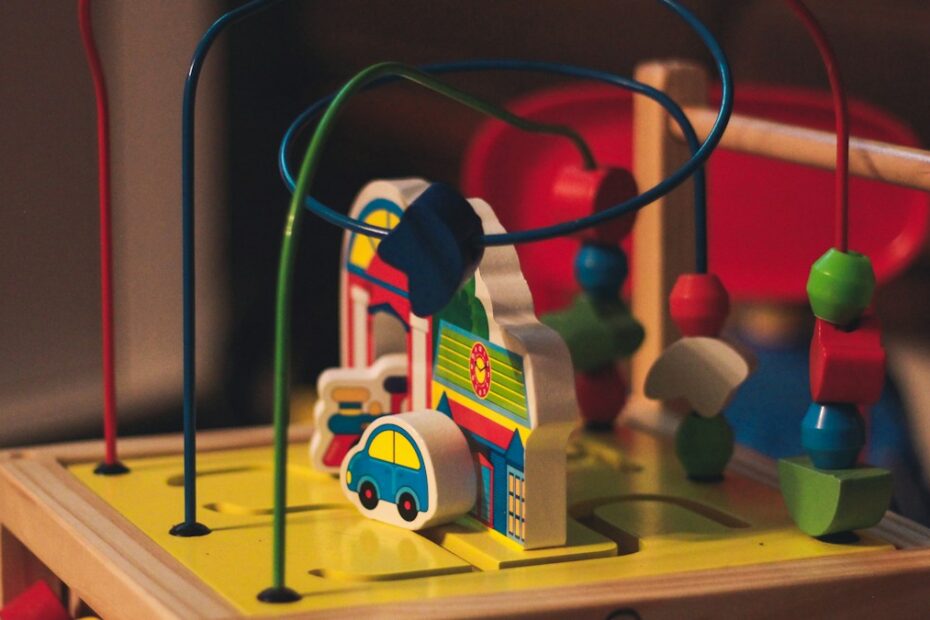
Hands-on review of the Matatalab tangible curriculum: image-recognition command towers, modular music blocks, and geometric angle algorithms.
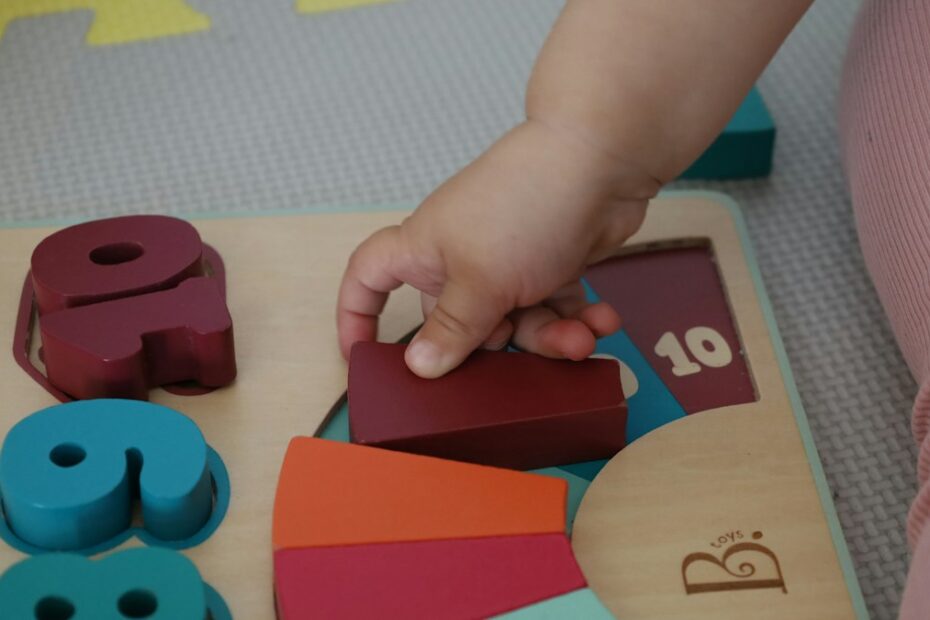
Early childhood computational education: evaluating tactile wooden coding blocks against push-button robots for teaching sequencing, loops, and logic.
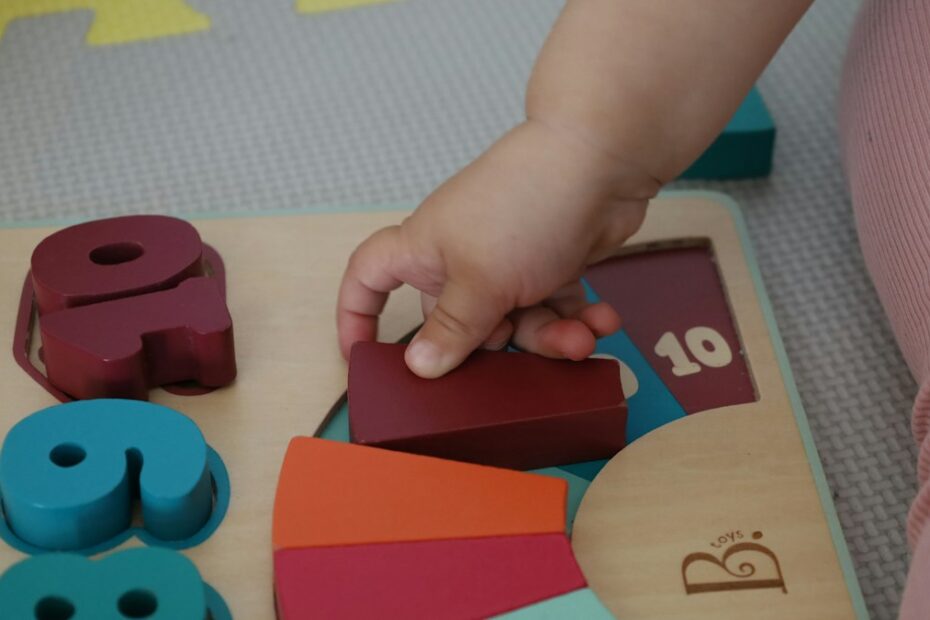
Hands-on binary math: Translating the alphabet into 8-bit ASCII bead sequences and 2-state mechanical switches.
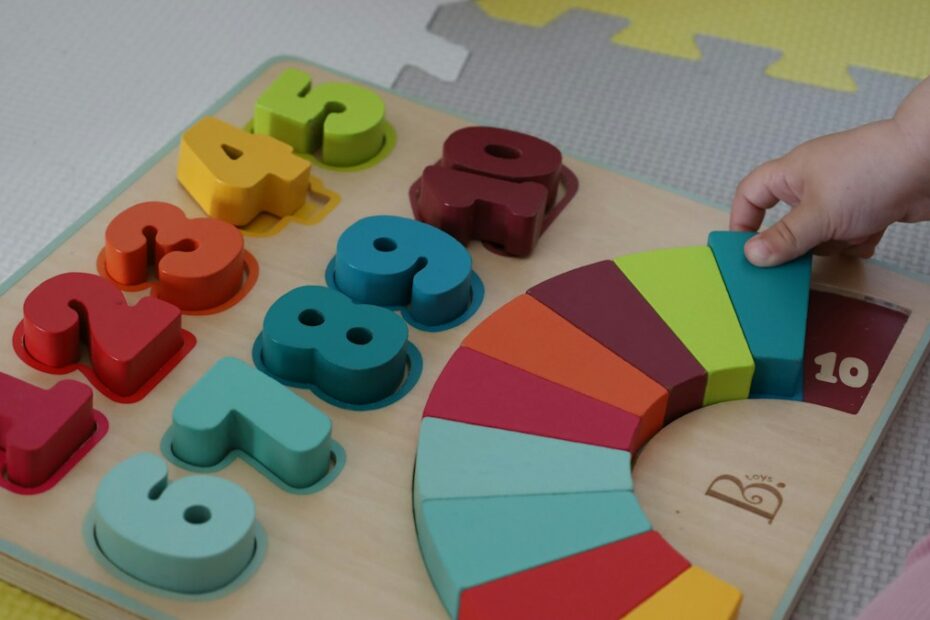
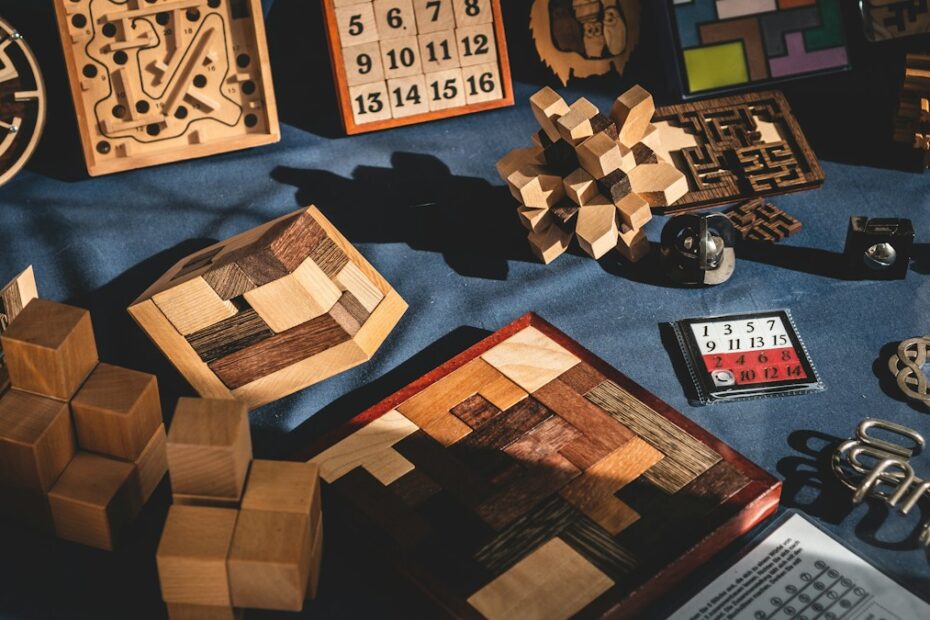
Tangram geometry, wooden pattern blocks, and graduated challenge cards: building visual-spatial reasoning.
Comparative review of screen-free robotic platforms: Cubetto, Matatalab, and Bee-Bot for tactile algorithmic learning.
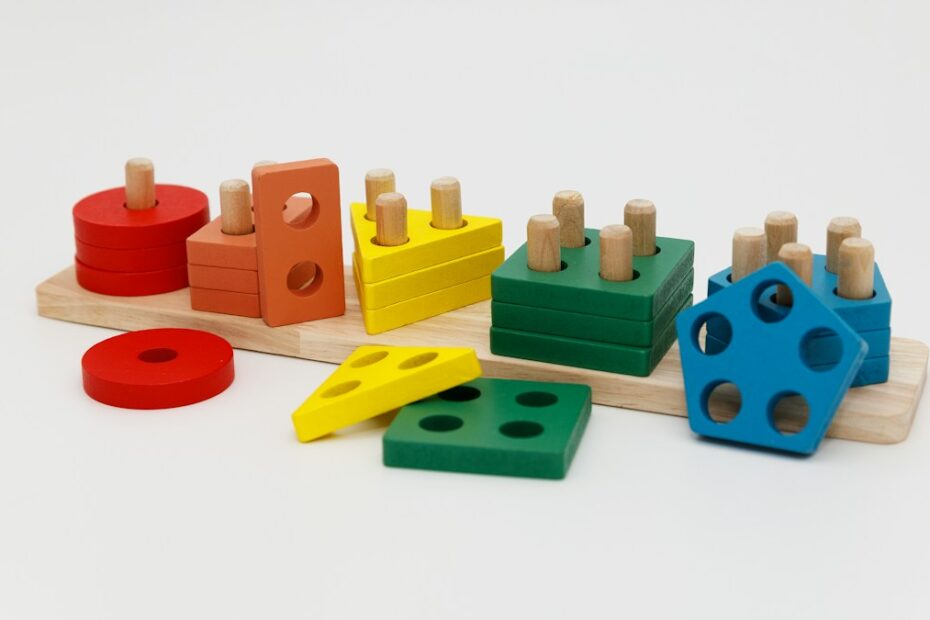
Tactile logic foundations: Decomposition, pattern recognition, abstraction, and algorithms using tangible physical play.